

Pretoria Centre for Cerebral Palsy
Comprehensive care and support for children with cerebral palsy, empowering families and enhancing lives with expert, multidisciplinary solutions.

About Us
At the Pretoria Centre for Cerebral Palsy, we specialise in providing holistic care for children with cerebral palsy and their families. Under the expert leadership of Dr. Denise Potgieter, a renowned Paediatric Orthopaedic Surgeon, our dedicated team of physical therapists, orthotists, and dieticians work together to enhance mobility, improve quality of life, and empower families.
Who We Are
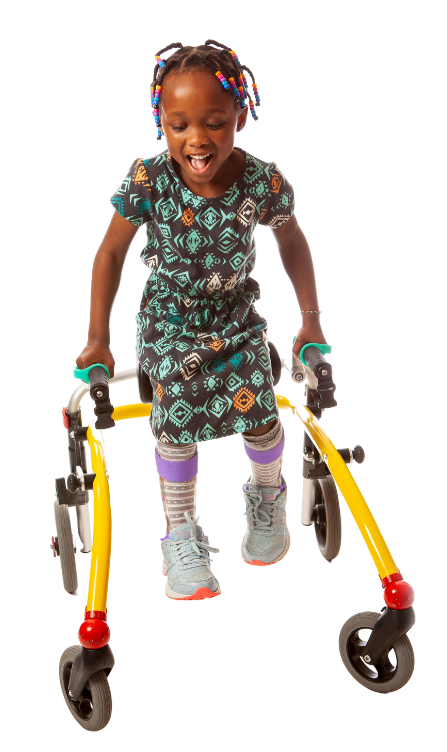
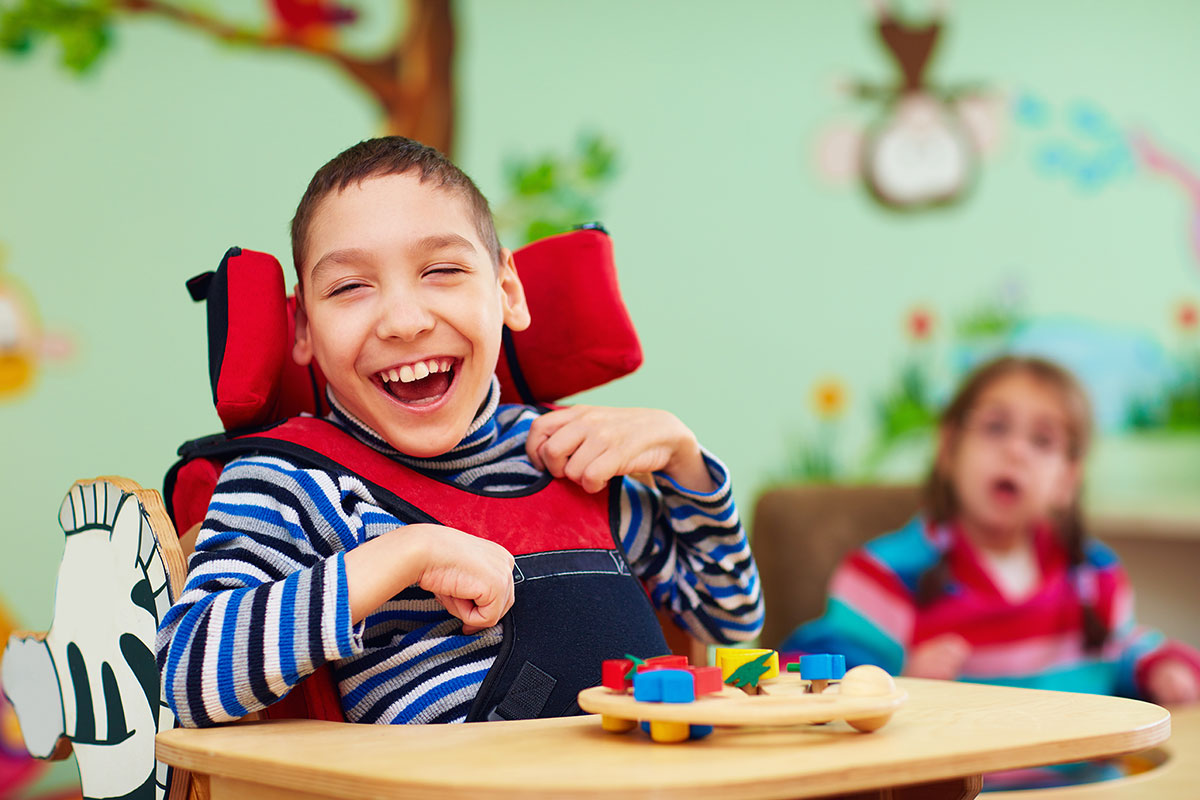
The Pretoria Centre for Cerebral Palsy is dedicated to improving the lives of children with cerebral palsy. Led by Dr. Denise Potgieter, a Paediatric Orthopaedic Surgeon with a passion for paediatric care, our multidisciplinary team combines expertise and compassion to provide individualised treatment plans for every child.
Our Mission
To deliver comprehensive, evidence-based care that enhances mobility, independence, and overall well-being for children with cerebral palsy, while providing support and resources for their families.
Our Specialised Services
We offer an integrated approach to cerebral palsy care,
focusing on individualised treatments
Paediatric Orthopaedic Care
Expert surgical and non-surgical interventions to improve joint function, posture, and mobility.
Physical Therapy
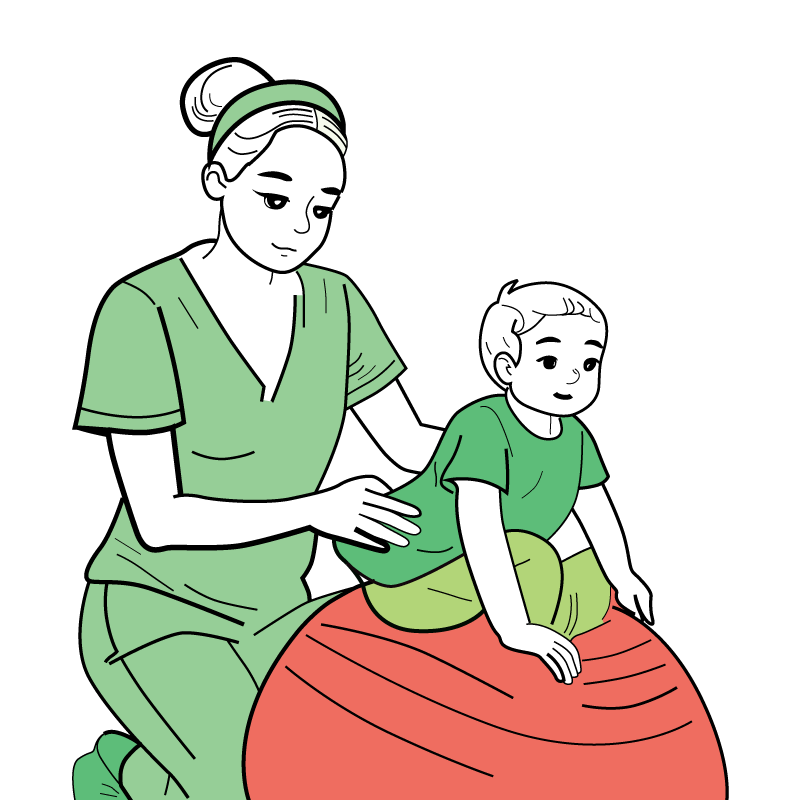
Personalised programs to develop strength, flexibility, and movement skills.
Orthotic Solutions
Custom orthoses designed to enhance mobility and provide support.
Nutritional Guidance
Diet plans and nutritional advice tailored to the specific needs of children with CP.
From the blog
Our Latest Articles
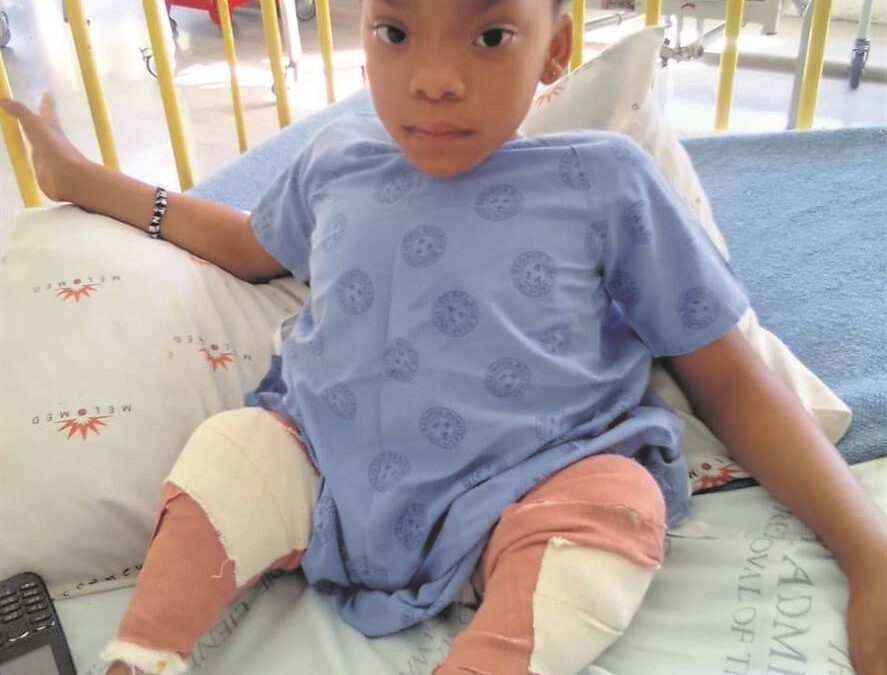
Britney (8) receives much-needed surgery
Little Britney Stone (8) from Patensie was born with sacral agenesis. This is a very rare spinal defect that has left her wheelchair-bound. Stone recently received much-needed surgery on her legs at the Red Cross War Memorial Children’s Hospital in Cape Town. As...

Wheelchair-bound Britney (7) to receive medical intervention
Lorem ipsum dolor sit amet, consectetur adipiscing elit. Ut nec velit vel risus convallis feugiat sed sodales justo. Nam sagittis sapien eget orci blandit luctus in hendrerit neque. Integer lorem purus, vestibulum sed augue nec, posuere sagittis nulla. Sed scelerisque...
Steps to Recognise the Signs and Seek Help
Concerned Your Child Might
Have Cerebral Palsy?

Learn the signs
Learn about the symptoms of cerebral palsy, such as delays in development, poor coordination, or trouble swallowing.

Observe your child
Take note of your child’s development and any concerns you have about their movements.

See a specialist
Consult a Paediatric Orthopaedic Surgeon who specialises in child development and the unique needs of children with cerebral palsy.
What is Cerebral Palsy?
Cerebral palsy is a physical disability that affects movement and posture. It is the most common physical disability in childhood.
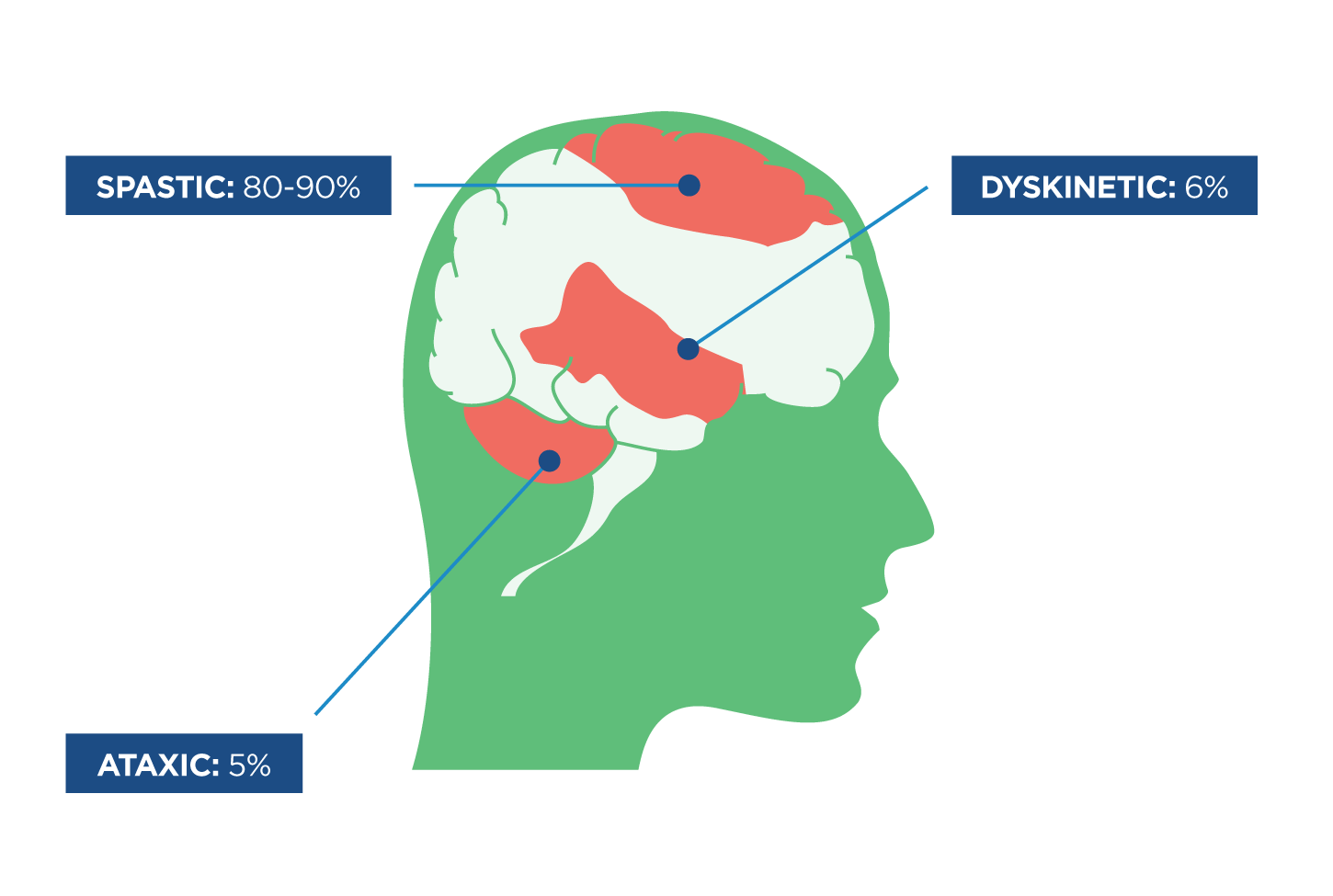
Motor Types
Spastic: 80-90%
Most common form. Muscles appear stiff and tight. Arises from Motor Cortex damage.
Dyskinetic: 6%
Characterised by involuntary movements such as dystonia, athetosis and/or chorea. Arises from damage to the Basal Ganglia.
Ataxic: 5%
Characterised by shaky movements. Affects balance and sense of positioning in space. Arises from Cerebellum damage.
Mixed Types:
A number of children with CP will have two motor types present e.g. spasticity and dystonia.
Parts of the Body
Cerebral palsy can affect different parts of the body e.g.
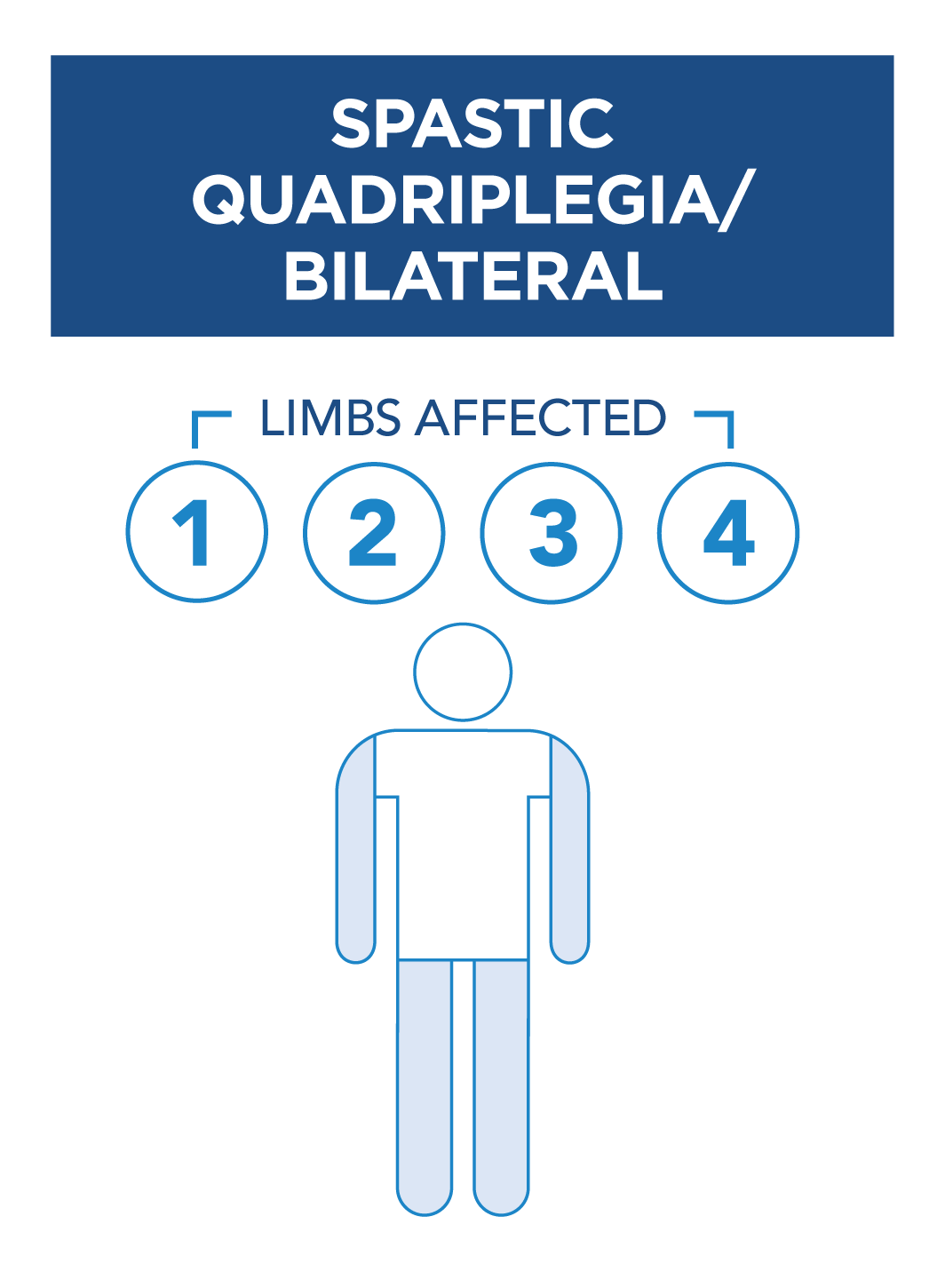
Both arms and legs are affected.
The muscles of the trunk, face and mouth are often also affected.
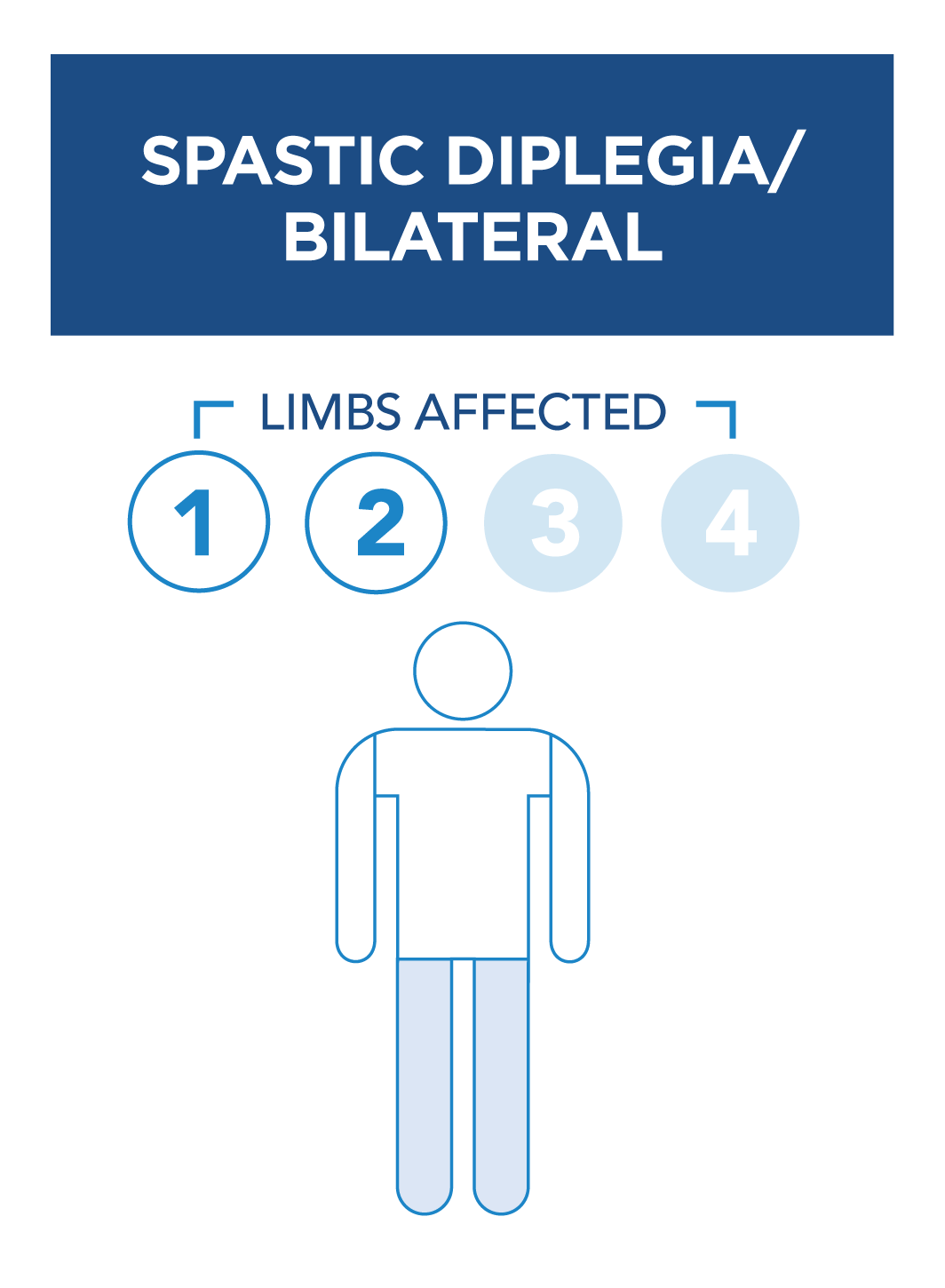
Both legs are affected. The arms may be affected to a lesser extent.
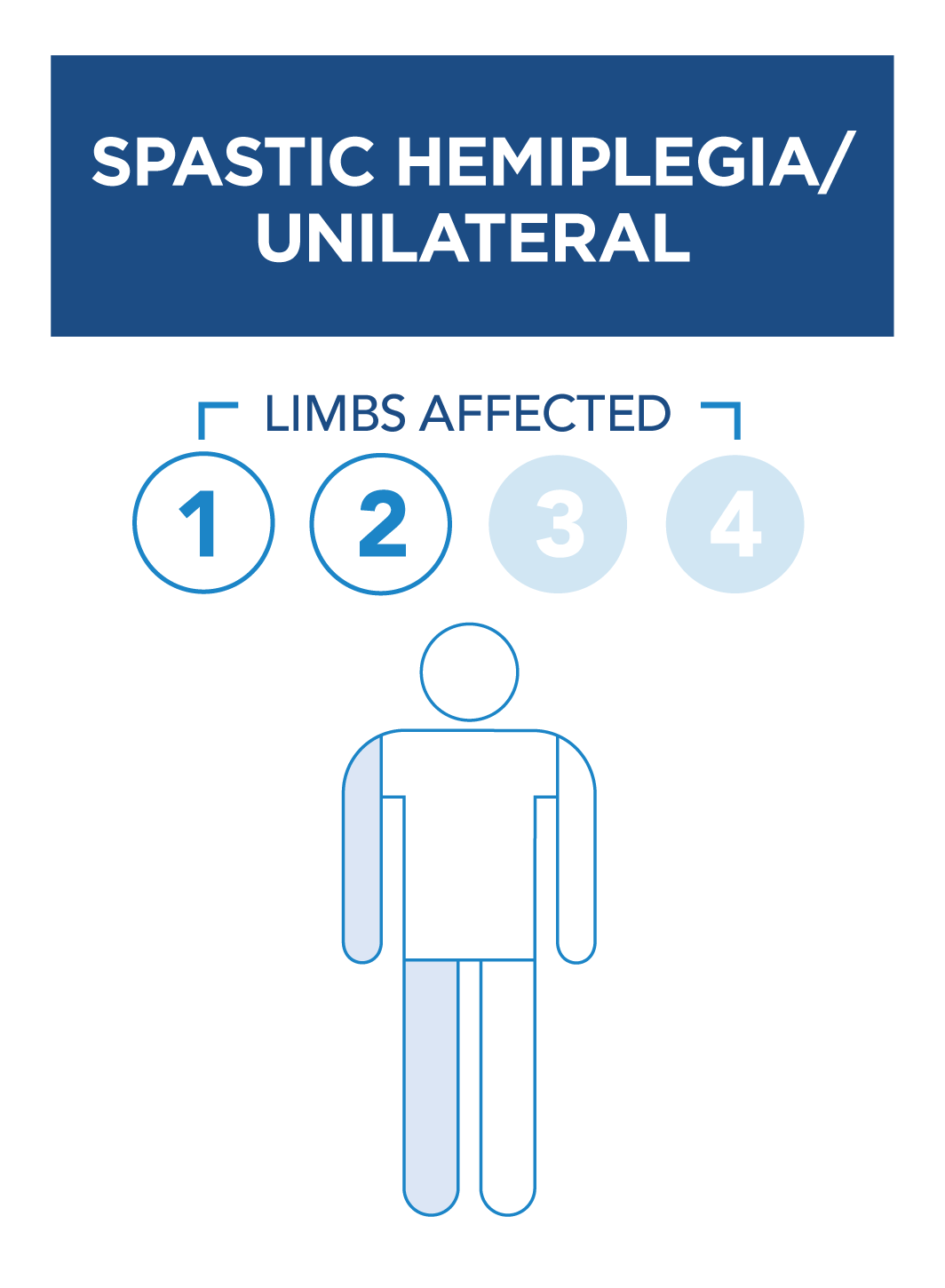
One side of the body (one arm and one leg) is affected.
Gross Motor Skills
The gross motor skills (e.g. sitting and walking) of children and young people with cerebral palsy can be categorised into 5 different levels using a tool called the Gross Motor Function Classification System (GMFCS) developed by CanChild in Canada.

Manual Ability
At least two thirds of children with cerebral palsy will have movement difficulties affecting one or both arms. Almost every daily activity can be impacted.
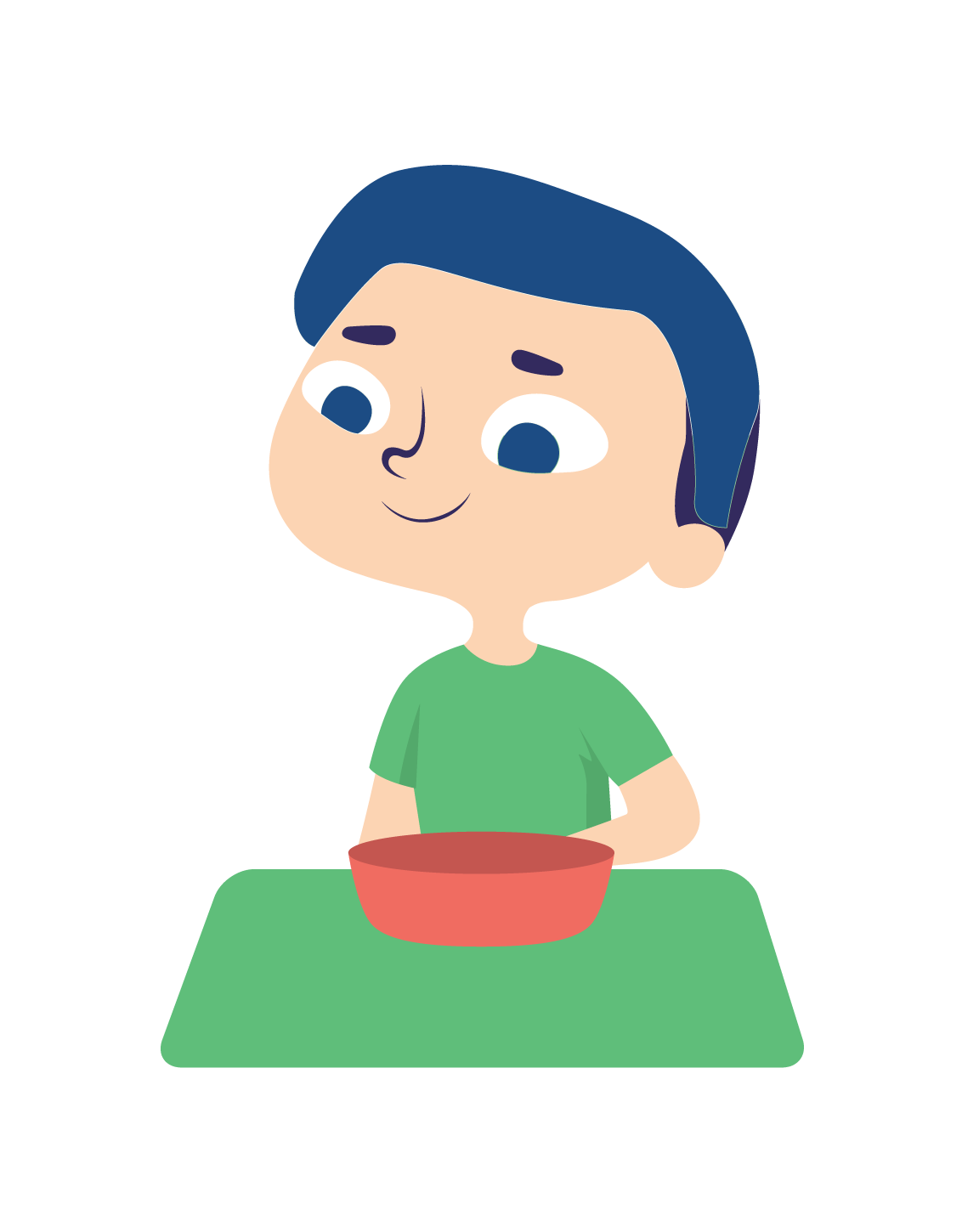
Eating
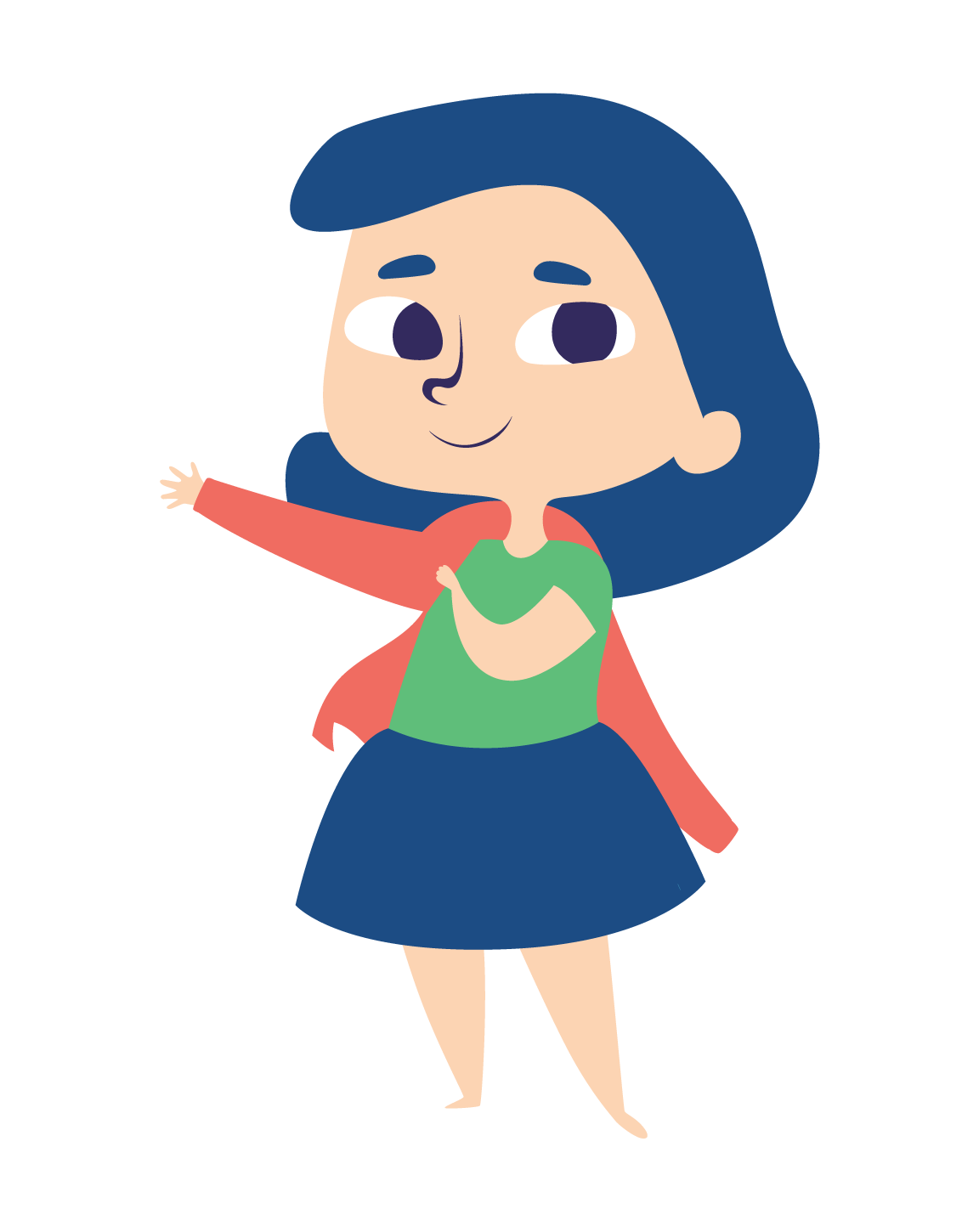
Dressing
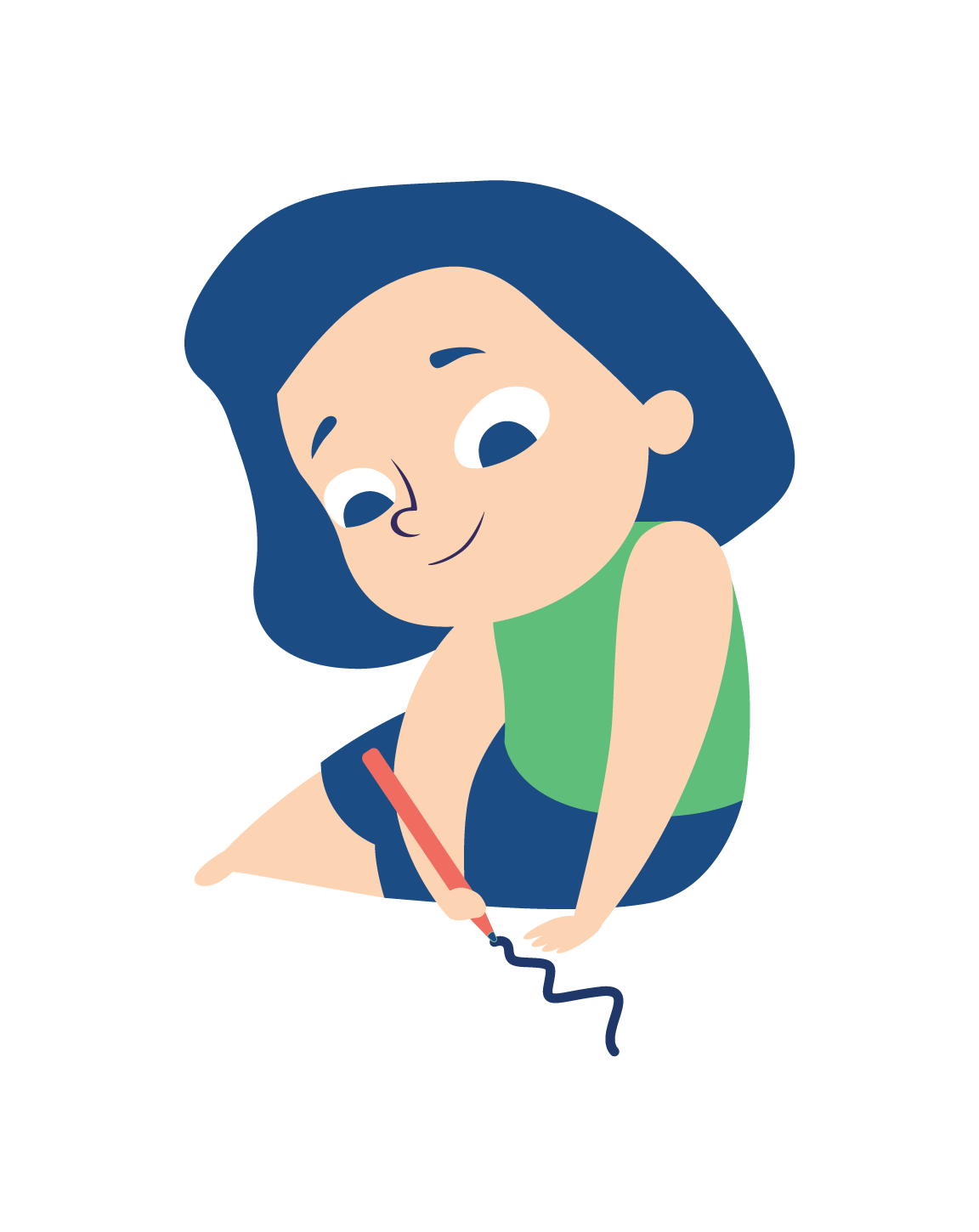
Writing
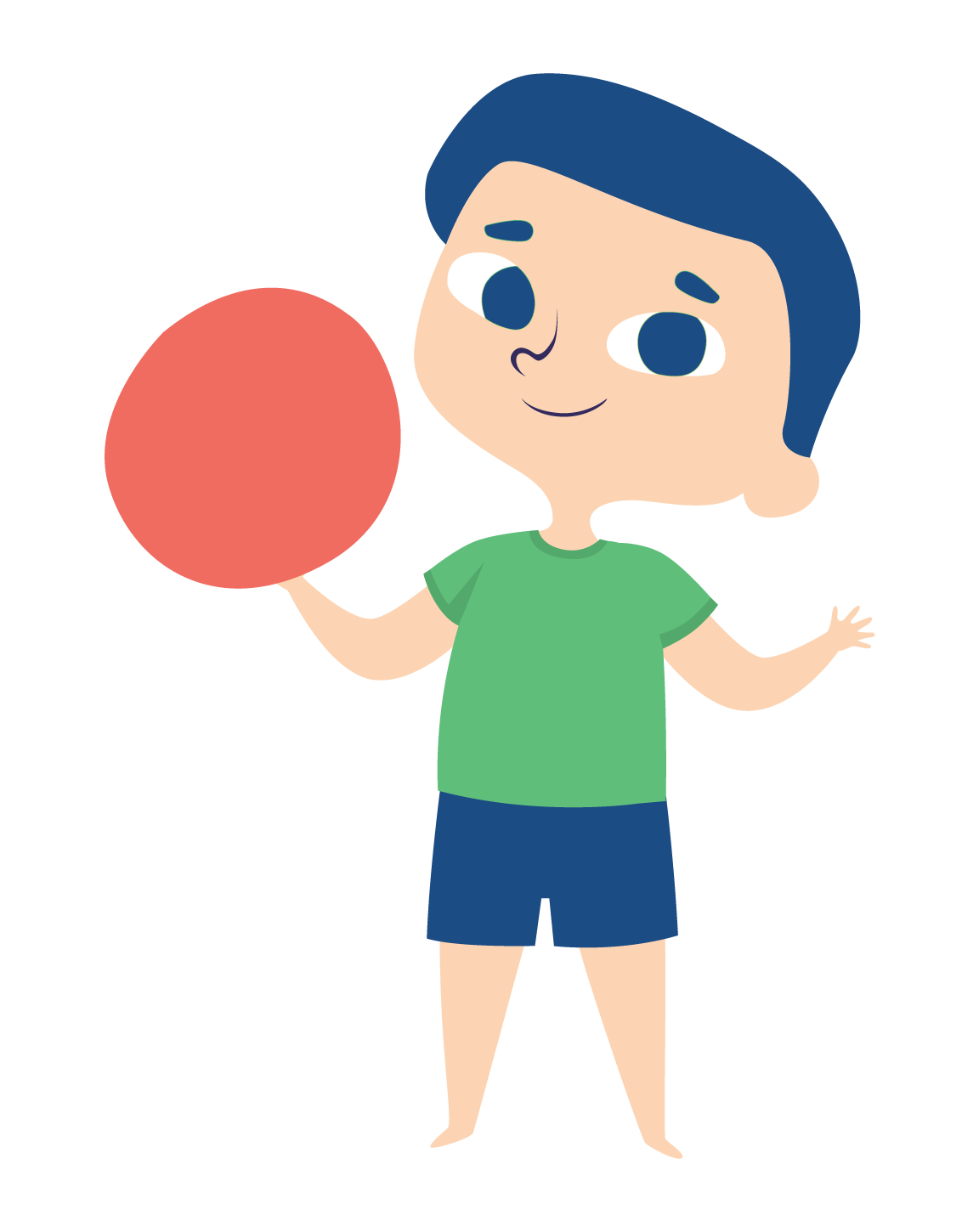
Catching a ball
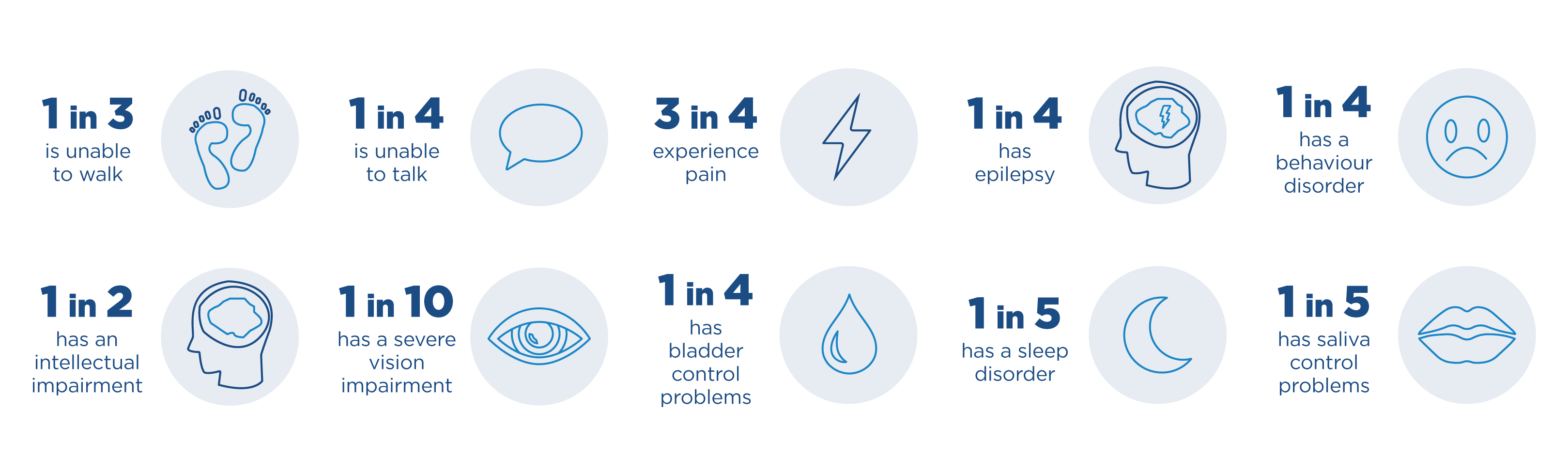
Associated Impairments
Children with cerebral palsy may also have a range of physical and cognitive impairments.
Success Stories
Patient Spotlight
Meet Dornel, a courageous five-year-old who joined us at the Pretoria Centre for Cerebral Palsy just a few months ago, walking on his knees.
Since his initial assessment in August 2023, Dornel’s journey has been remarkable. Following soft tissue surgery on his lower limbs in September, Dornel has been working hard through dedicated physiotherapy focused on strengthening his core and lower limbs, standing exercises, and gait retraining.
With the added support of aquatherapy sessions, Dornel’s progress has been inspiring to watch. Every step forward he takes is a testament to his resilience and the incredible support from our team and community.
Join us in celebrating Dornel’s journey and the many milestones to come!
